Drain Repairs vs Drain Relining: Which Do You Need in St Albans?
If you’re a homeowner in St Albans or surrounding Hertfordshire towns like Harpenden or Hatfield, dealing with a damaged drain can be a stressful experience. Understanding your options for repair is key to making the right decision that protects your home and garden.
Two common methods to fix damaged drains are traditional excavation repair and no-dig drain relining. Each has distinct advantages and drawbacks, and this guide explains these methods to help you choose the most suitable approach for your situation.
What Is Traditional Drain Repair?
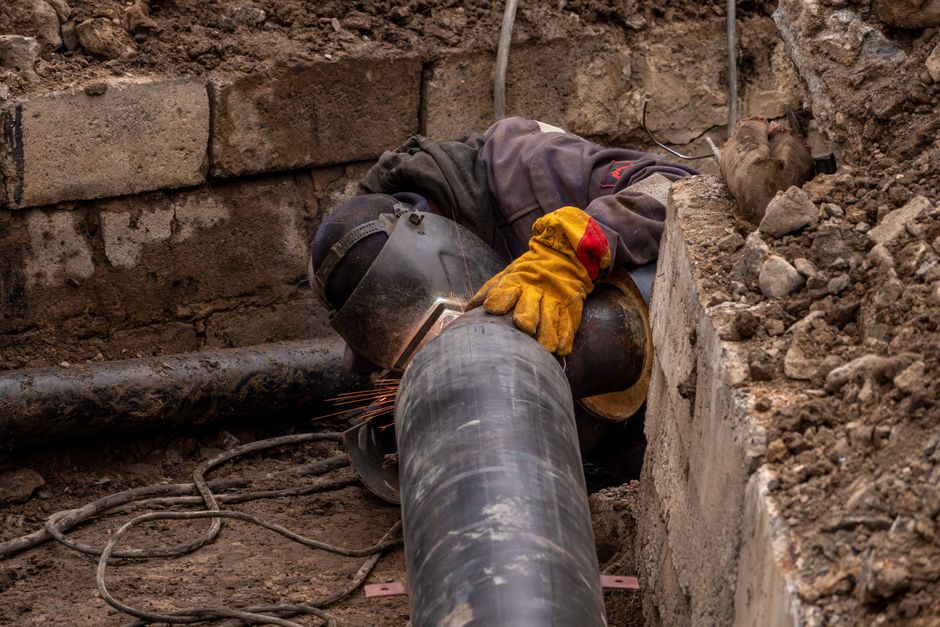
Traditional drain repair involves excavating the ground to access and fix or replace the damaged pipe directly. This approach dates back many years and remains widely used, especially for serious structural issues.
Typically, a section of pipe is dug up by removing soil and sometimes parts of gardens or paved areas to expose the damaged section. The faulty section is then repaired or replaced before everything is backfilled and restored as best as possible.
While effective for obvious, large-scale damage, this method can be disruptive, messy, and often costly due to the excavation required. In towns like St Albans and nearby Childwick Green or Redbourn, where homes may have older drainage systems and established gardens, the impact of digging can be significant.
Understanding No-Dig Drain Relining
No-dig drain relining is a modern technique that repairs drains without excavation. Instead, a flexible resin-coated liner is inserted into the damaged pipe and cured in place, creating a durable new pipe within the old one.
This trenchless method avoids the need to dig up gardens, driveways, or footpaths, making it less invasive and often quicker to complete. For properties in Hertfordshire areas such as Wheathampstead, Welwyn Garden City, or even London Colney, this can mean preserving landscaping and reducing disruption to daily life.
Relining works best for pipes that are cracked, leaking, or slightly collapsed but still largely intact. It may not be suitable if the pipe is severely broken or crushed.
Pros and Cons of Traditional Drain Repairs
One clear advantage of traditional repairs is that they allow for a complete replacement or direct access to the damaged section, which is essential in some severe cases. It also enables inspection and clearing of surrounding soil conditions that may be impacting the pipe.
However, excavation can cause major disruption, especially in built-up residential areas around Oaklands or Potters Bar, where gardens and paved areas may need to be removed and restored. It usually takes longer and can be more expensive due to labour and restoration costs.
Additionally, traditional repairs may cause temporary access issues and noise, which can be inconvenient for families or elderly residents.
The Benefits and Limitations of Drain Relining
Drain relining significantly reduces disruption since no digging is needed. This is particularly beneficial in established neighbourhoods of St Albans, Childwickbury, or Hatfield, where preserving outdoor spaces is important to homeowners.
The process is often quicker and can extend the lifespan of a damaged drain by up to 50 years. It’s also environmentally friendly due to less soil displacement and waste.
However, not all drain problems are suitable for relining. If a pipe has collapsed or suffers from major structural damage, relining may not be possible or effective. Additionally, relining can reduce the internal diameter of the pipe slightly, which might impact flow in very narrow or heavily blocked drains.
How to Decide Which Repair Method Suits Your Drain
Deciding between excavation and relining depends largely on the extent and nature of the damage, as well as your property’s layout and your priorities.
If your drain has a major collapse, blockages caused by roots deeply intruding, or structural faults, a traditional repair may be unavoidable. Conversely, if the damage is limited to small cracks or leaks, relining offers a less disruptive and cost-effective solution.
Location also plays a role. In areas like Redbourn or Witney with sensitive garden areas or paved driveways, homeowners often prefer relining to avoid landscaping work. In contrast, properties with easy access and nearby open ground might benefit from the thoroughness of excavation repairs.
Consulting a drainage specialist familiar with the local soil, pipe materials commonly used in Hertfordshire, and local regulations is essential. They can carry out CCTV surveys to assess your drain’s condition accurately and advise accordingly.
Local Considerations for Drain Repairs in Hertfordshire
Homes in St Albans and neighbouring towns such as Harpenden or Welwyn Garden City often feature older drainage systems that can be prone to tree root ingress or aging materials. The clay soil common in Hertfordshire can also exacerbate drainage issues by shifting and causing pipe movement.
When selecting a repair method, it’s important to factor in the local environment and typical property types. For example, Victorian or Edwardian properties in St Albans may have smaller diameter clay pipes unsuitable for some relining products, while newer homes in Lemsford or Oaklands might have plastic piping that responds differently.
Seasonal weather can influence drain performance too. With the rains frequent in Hertfordshire, blocked or damaged drains can quickly lead to water pooling or flooding, which underscores the need for timely, effective repairs.
Maintaining Your Drains Post-Repair
Regardless of the repair method used, maintaining your drains is vital to prolong their life and prevent future problems. Regular inspections, particularly after heavy rains or if you notice slow drainage, help catch issues early.
In St Albans and nearby areas like Childwick Green or Wheathampstead, homeowners are advised to avoid flushing inappropriate items and to keep tree roots away from underground pipes where possible.
Professional CCTV surveys every few years can detect minor problems before they develop. This investment in preventative care often saves money and hassle in the long run.
Need a drainage expert in St Albans?
Call 01727 530205